
Plant Care
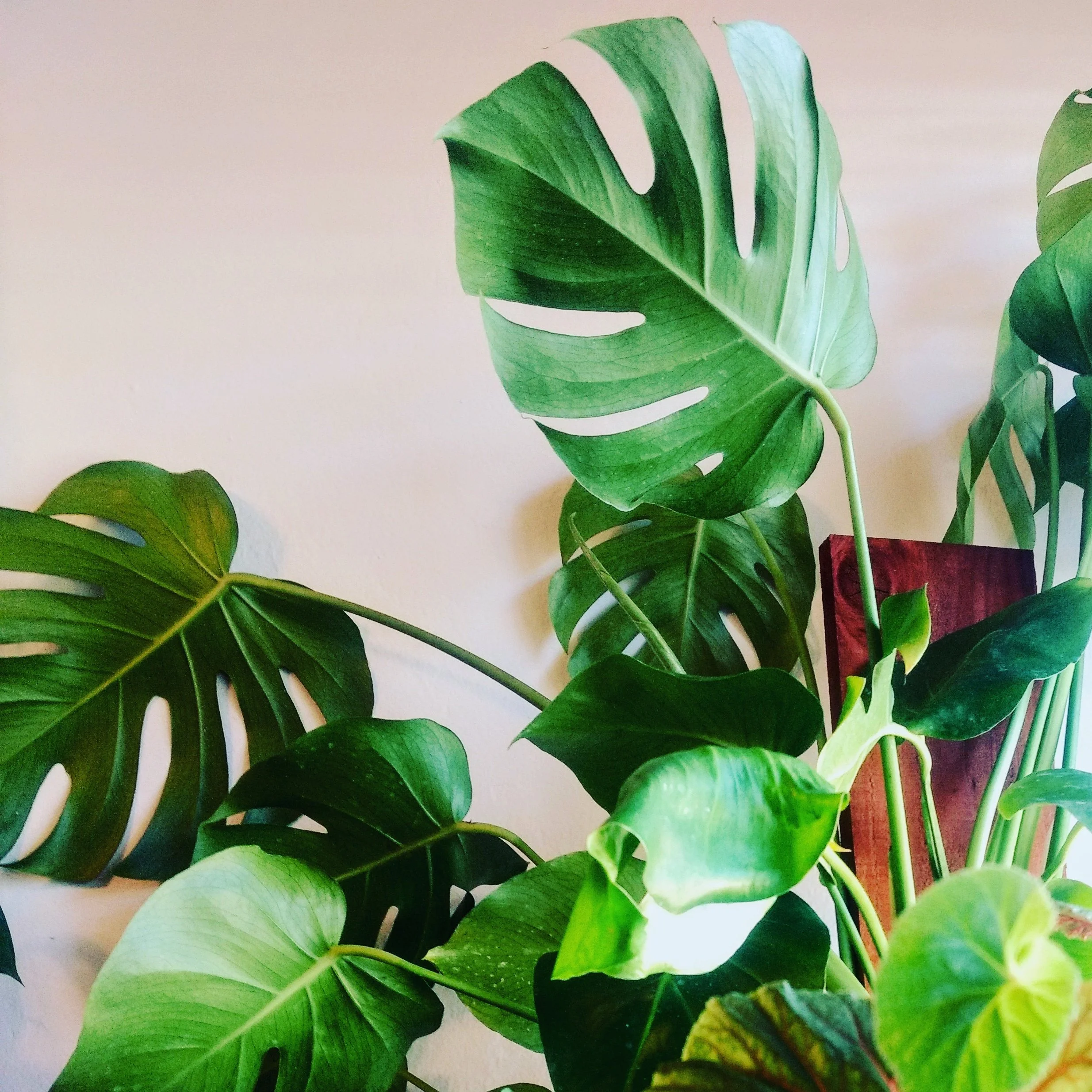
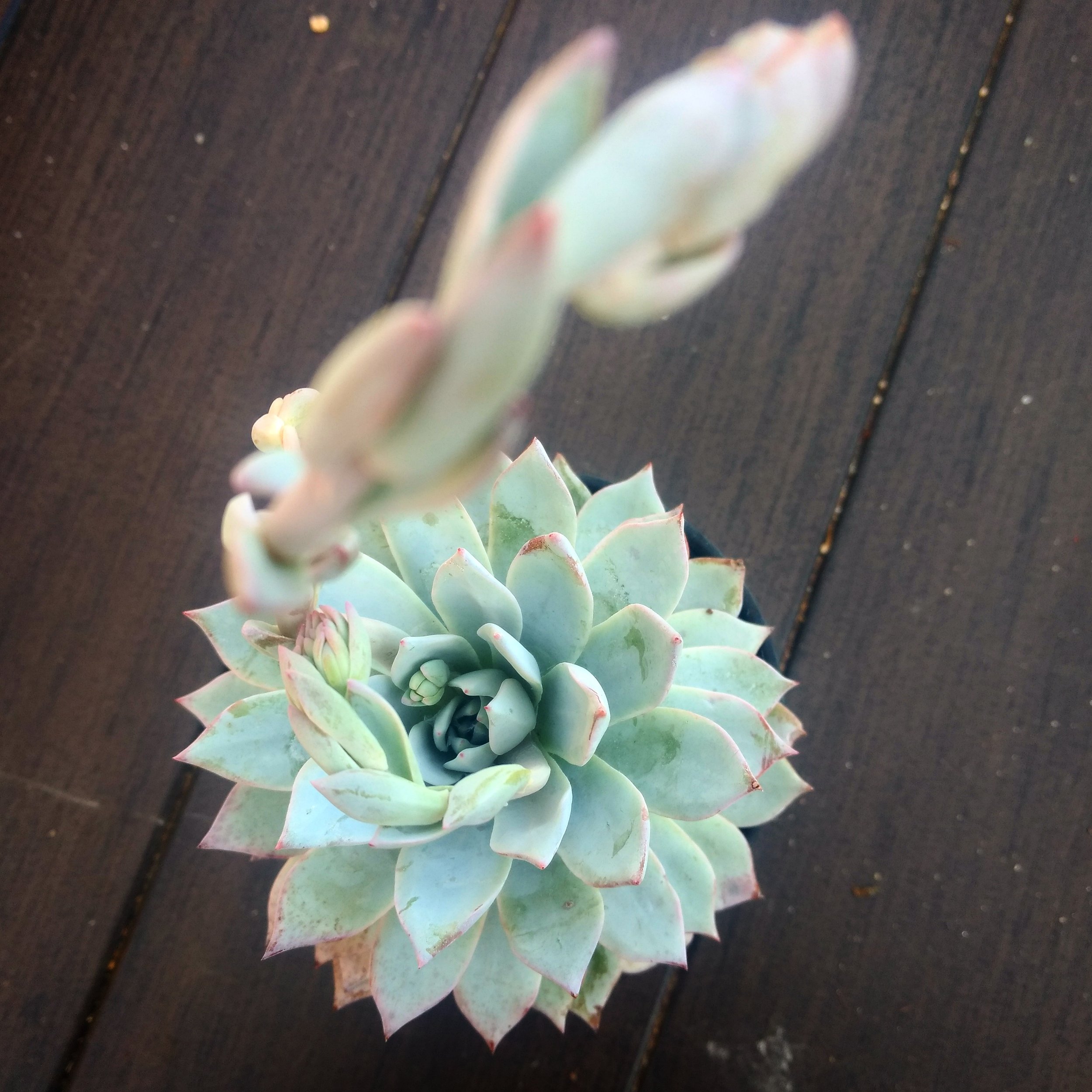
Part of our mission is to get people excited about plants - but you can’t get excited about something if you’re afraid you’re going to kill it!
This is why we provide care information at all of our botanical workshops. We want you to succeed! But maybe you lost your care card, or you forgot what we talked about during the workshop. So this page is your source for care information. You can also contact us any time with questions!
Succulents
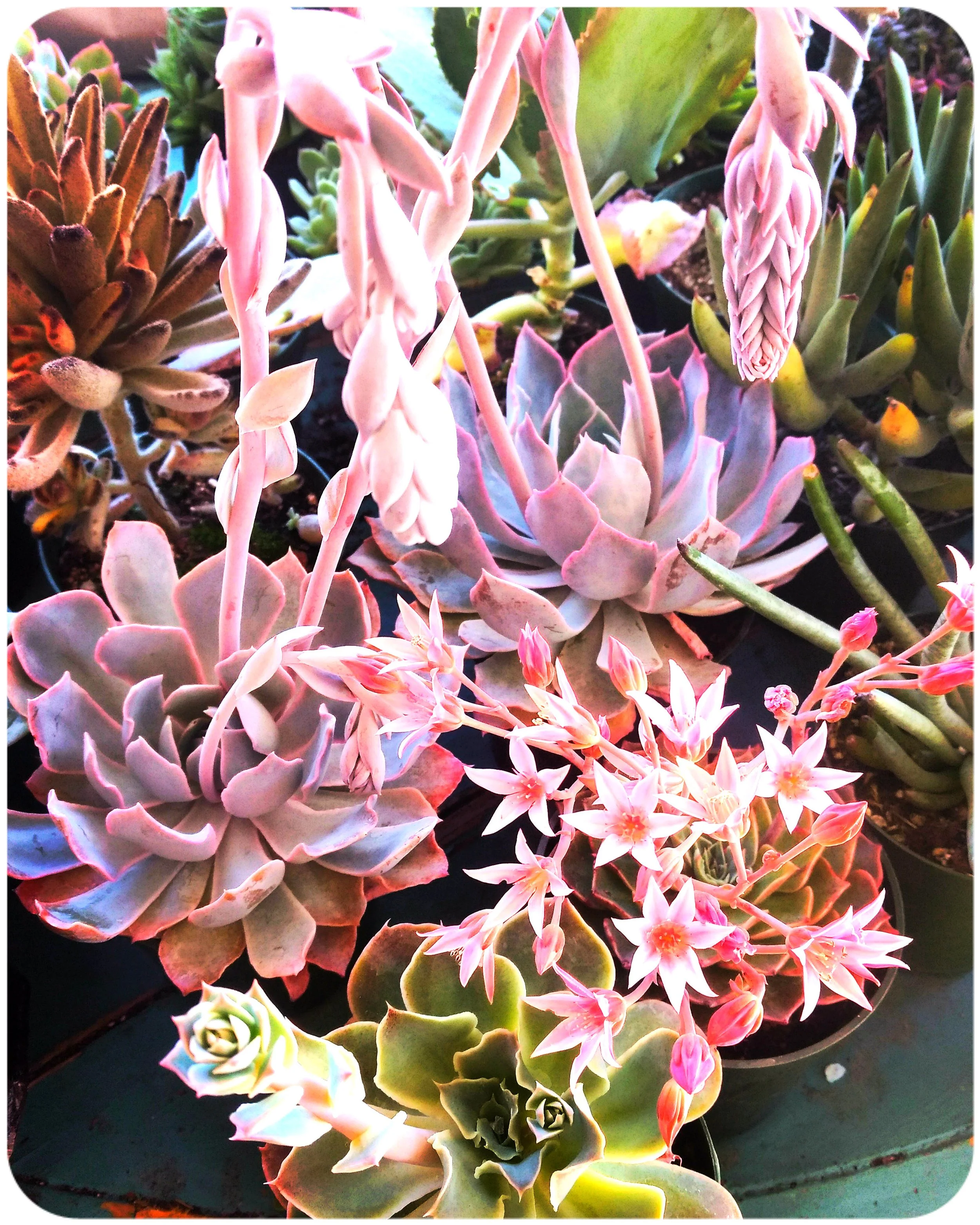
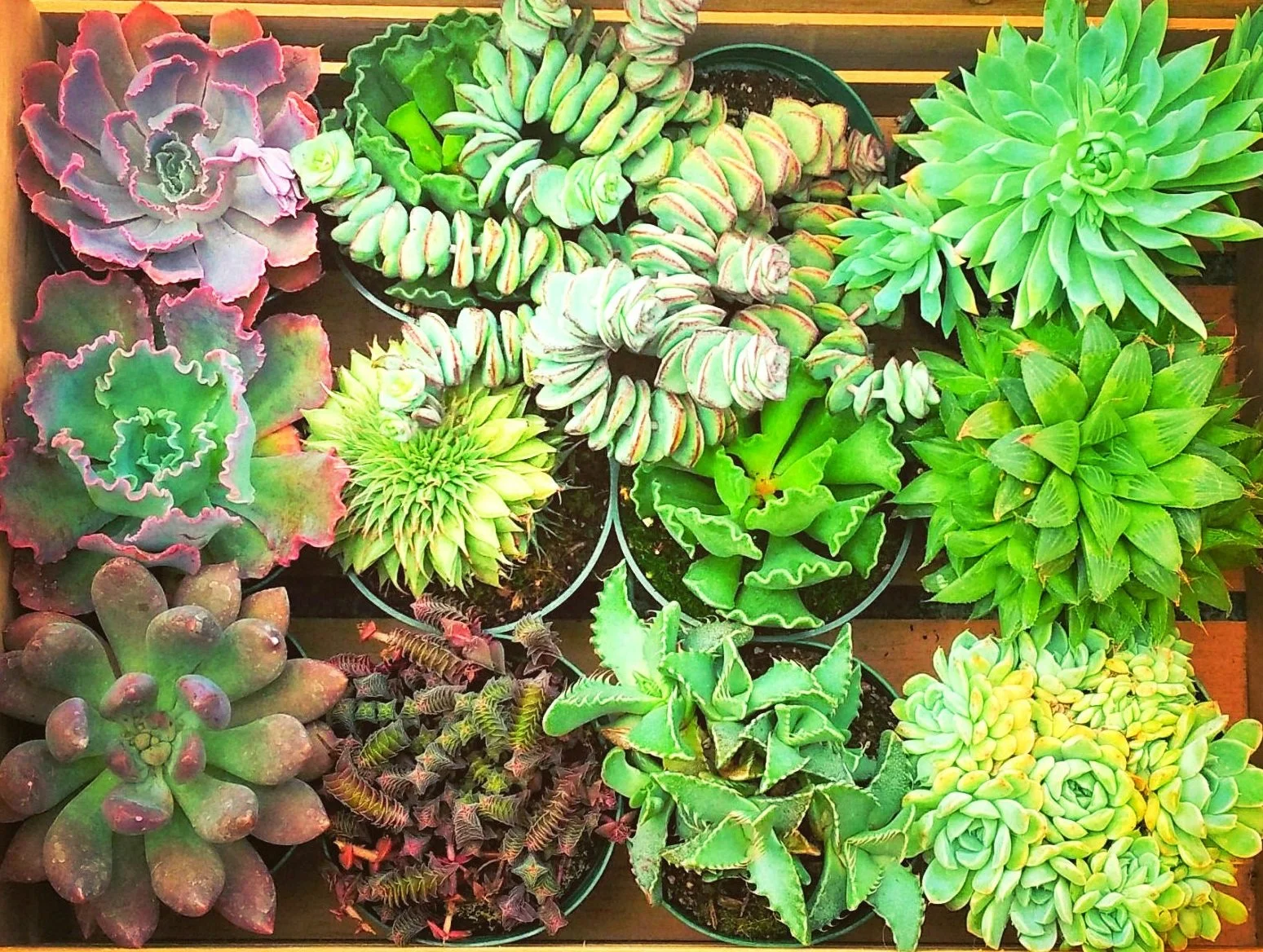
Succulents come from a wide variety of plant families, so the information here is general care information; there are absolutely exceptions to this rule. When in doubt, google your plant's name to get specific care information.
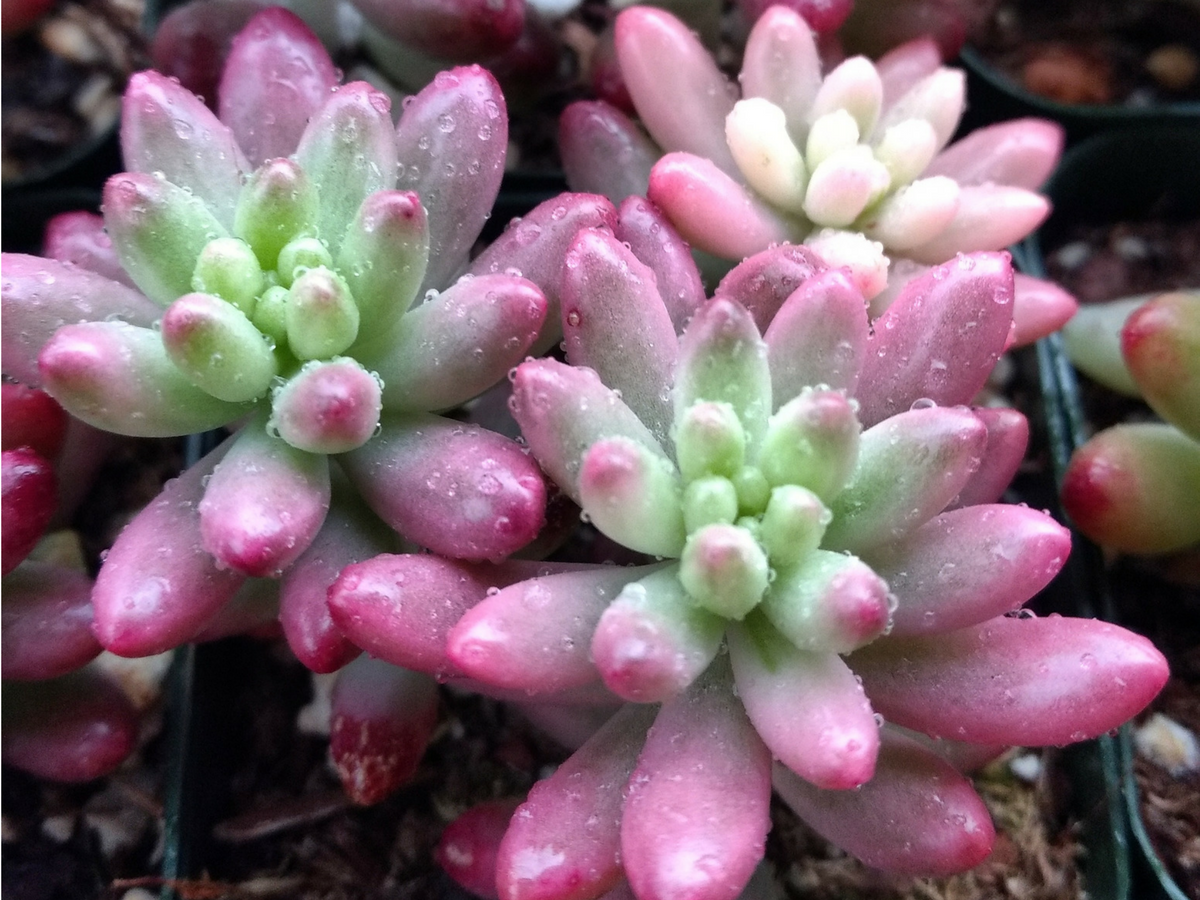
Water: Allow the soil to dry completely before you water. If your succulent is in a pot without drainage, make sure to measure how much you water so that you don't accidentally overwater (for our terrariums, we recommend 1 tablespoon of water per plant).
If a succulent's roots stay wet for more than a few days, the plant may start to rot. Pull off any rotting material and often your plant will continue to grow in healthy.
Light: The majority of succulents require a few hours of direct sunlight each day. They prefer to be grown outdoors, but may can thrive in a window. Exceptions to this are Haworthia, some Aloe species, and Senecio succulents (like the popular String of Pearls) which prefer very bright but mostly indirect sunlight. If your succulent isn't getting enough light it can lose its color and turn green (if it started out any of the many non-green colors that succulents come in), and it will often begin to stretch out in search of brighter light.
Tillandsias - a.k.a. Air Plants
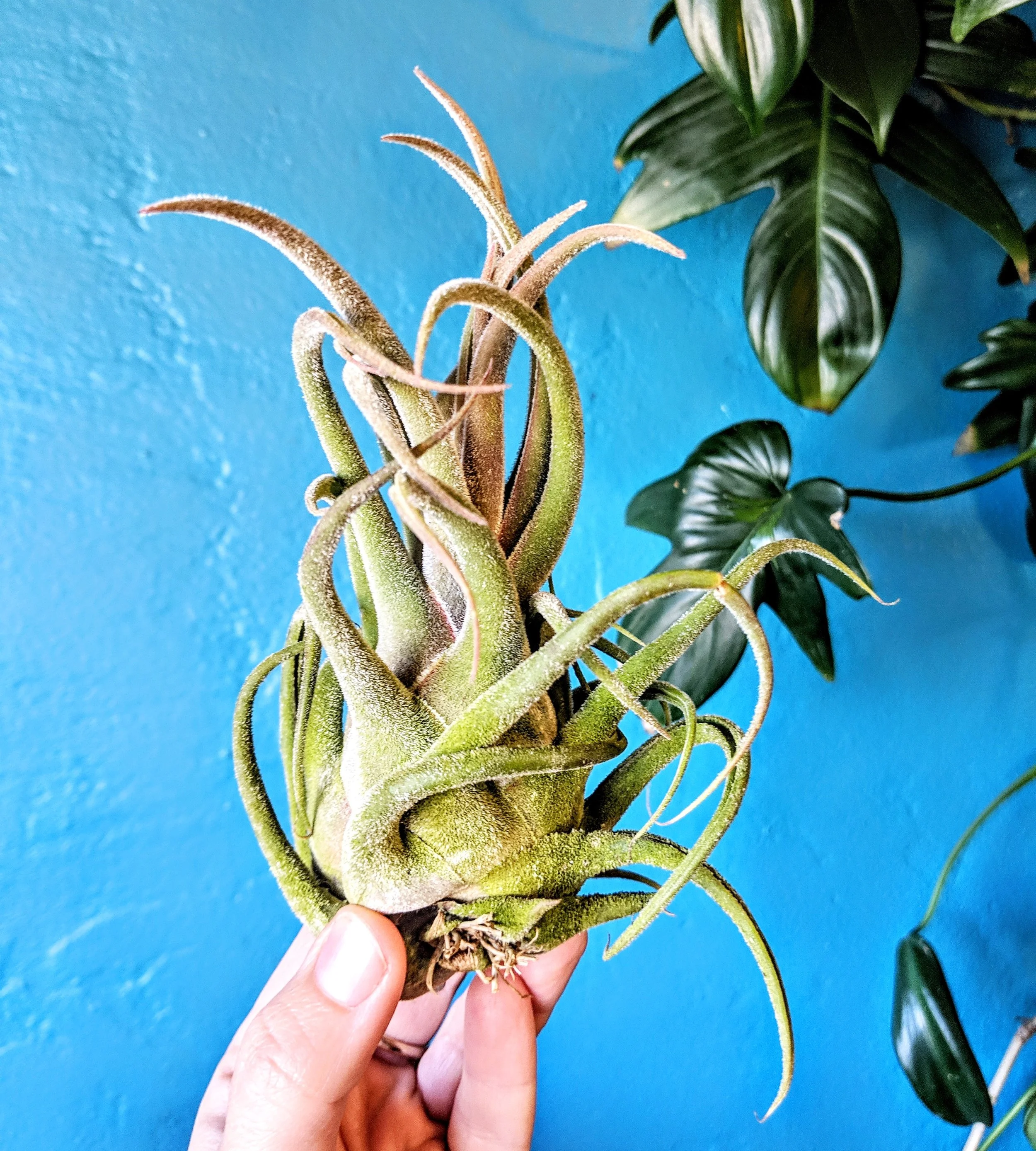
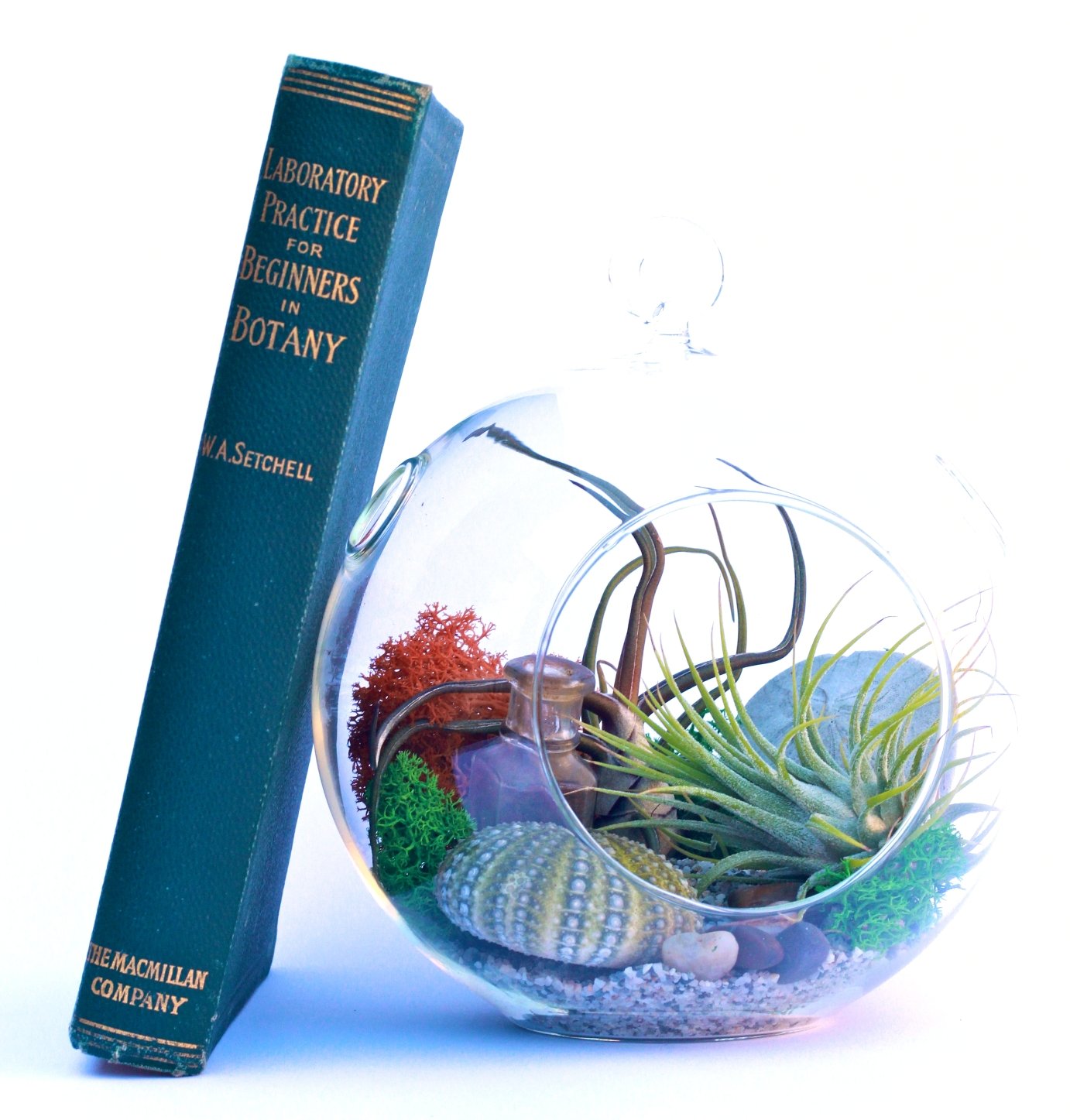
Most Tillandsias are epiphytes, meaning they grow on trees in nature. Unlike terrestrial plants which absorb water through their roots, Tillandsias absorb water through tiny pores on their leaves. They love bright, indirect light, fresh air, and most enjoy humidity. Do not plant your Tillandsia in soil. You can glue your Tillandsia to something like a shell, piece of cork, or a piece of driftwood to make a beautiful display, or you can just set it on a shelf to be lovely on its own.
Light: Most Tillandsias prefer bright indirect light. Some will tolerate direct sun. They are happiest if kept within a few feet of a window, out of direct sun.
Water: Since Tillandsias absorb water through pores on their leaves, it's essential to get the entire plant wet when watering. We recommend watering your Tillandsias by running them under the faucet or dunking them in water once a week; you can soak them for up to 15 minutes, but we do not recommend you soak them for hours at a time, as they are prone to rotting if kept wet for too long. After watering, shake off the excess water to ensure water doesn't get trapped between the leaves at the base of the plant, and allow the plant to dry in an area with lots of air circulation. If you're keeping your Tillandsia in a terrarium or other semi-enclosed container, make sure it's completely dry before putting it back in its container. Mist lightly every few days to increase humidity.
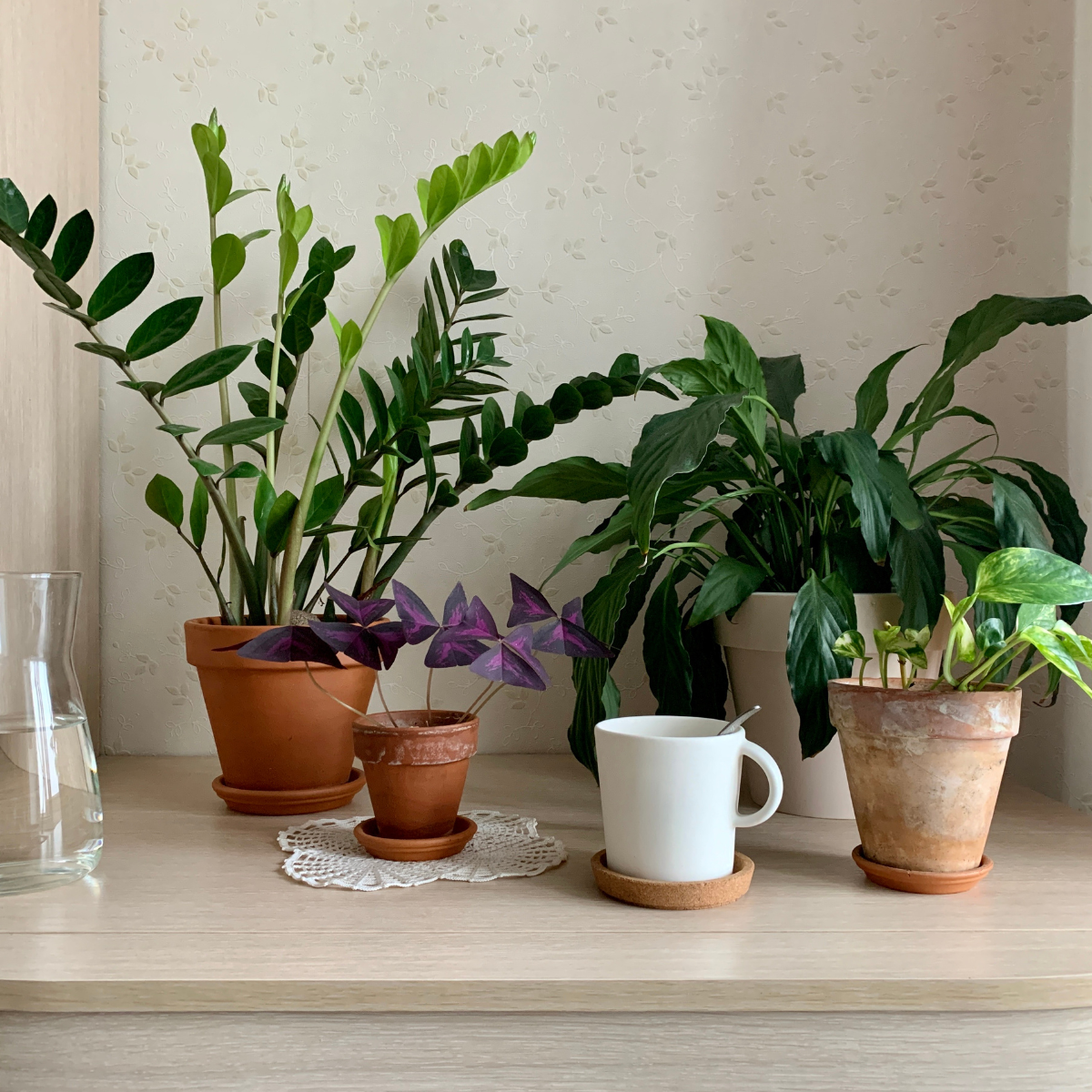
Tropical Plants, a.k.a. Houseplants
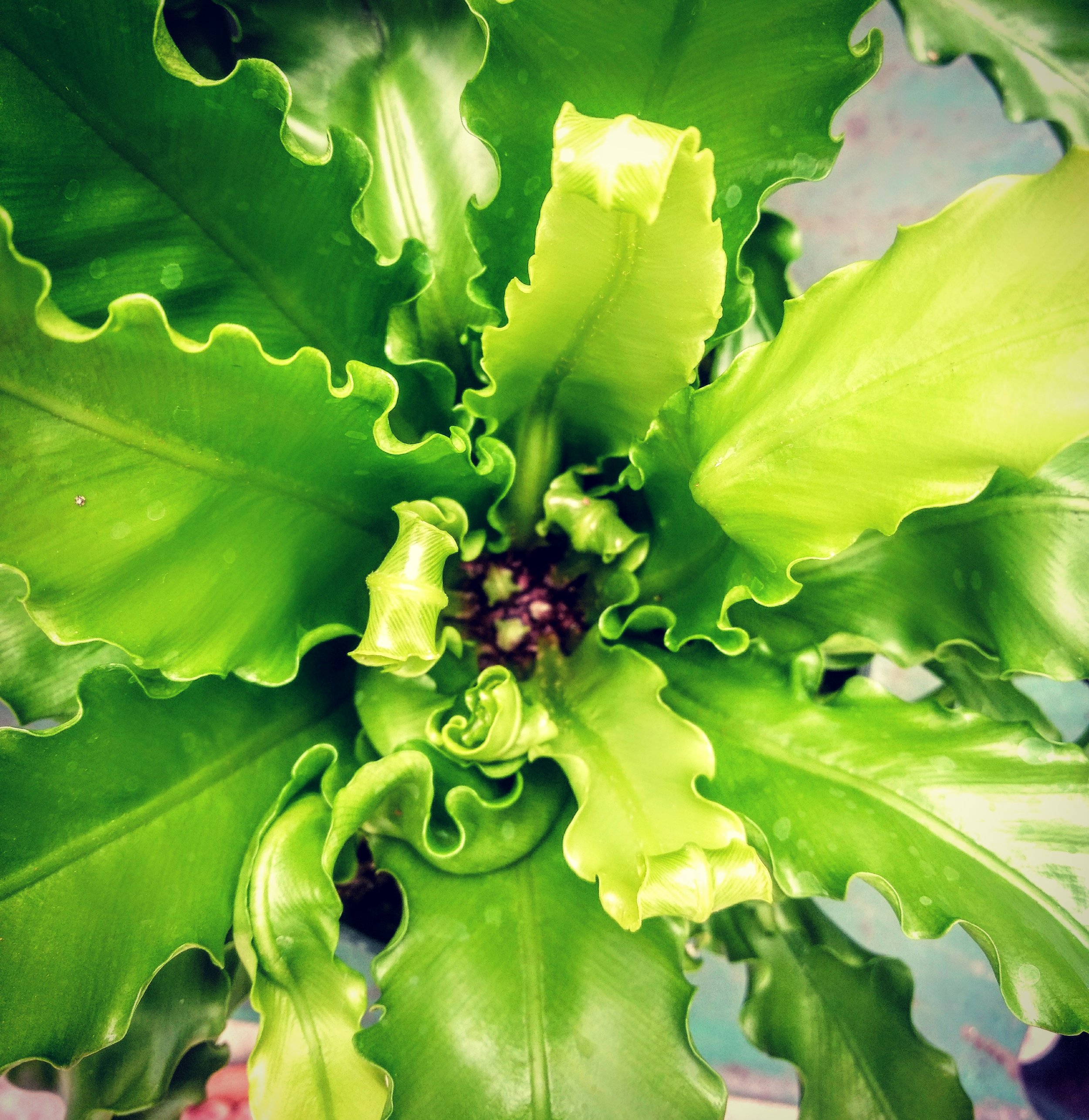
Keeping a plant alive really comes down to two things: light and water - and getting both right depends entirely on what plant you've got.
Light: There are common terms for different amounts of light that tropical plants need. Direct sun means nothing blocks the sun's rays - anywhere you'd wear sunscreen if you stood there. Bright indirect light is sun that's diffused through a curtain, window, or nearby canopy, and it's what most popular houseplants prefer - a spot where the plant can “see” quite a lot of the sky from where it’s sitting. Moderate light is a little father from a window; the plant can still “see” some of the sky, but less. Low light means little to no sun reaches the plant at all.
Plants use more water the more light they have - more light generally means a plant needs to be watered more frequently.
Water: Most plant problems come from overwatering, not under. Some plants want to dry out completely between waterings, while others like to stay evenly moist - there's no single schedule that works for every plant in your home, so check the soil and let the plant tell you what it needs.
Look up your specific plant to know exactly how much light and water it needs!